INSIDE THE KISIP-NYOTA PROGRAMME: TRANSFORMING YOUTH COMMUNITIES IN INFORMAL SETTLEMENTS
Beneficiaries Highlight the Transformative Impact of Soft Skills Training
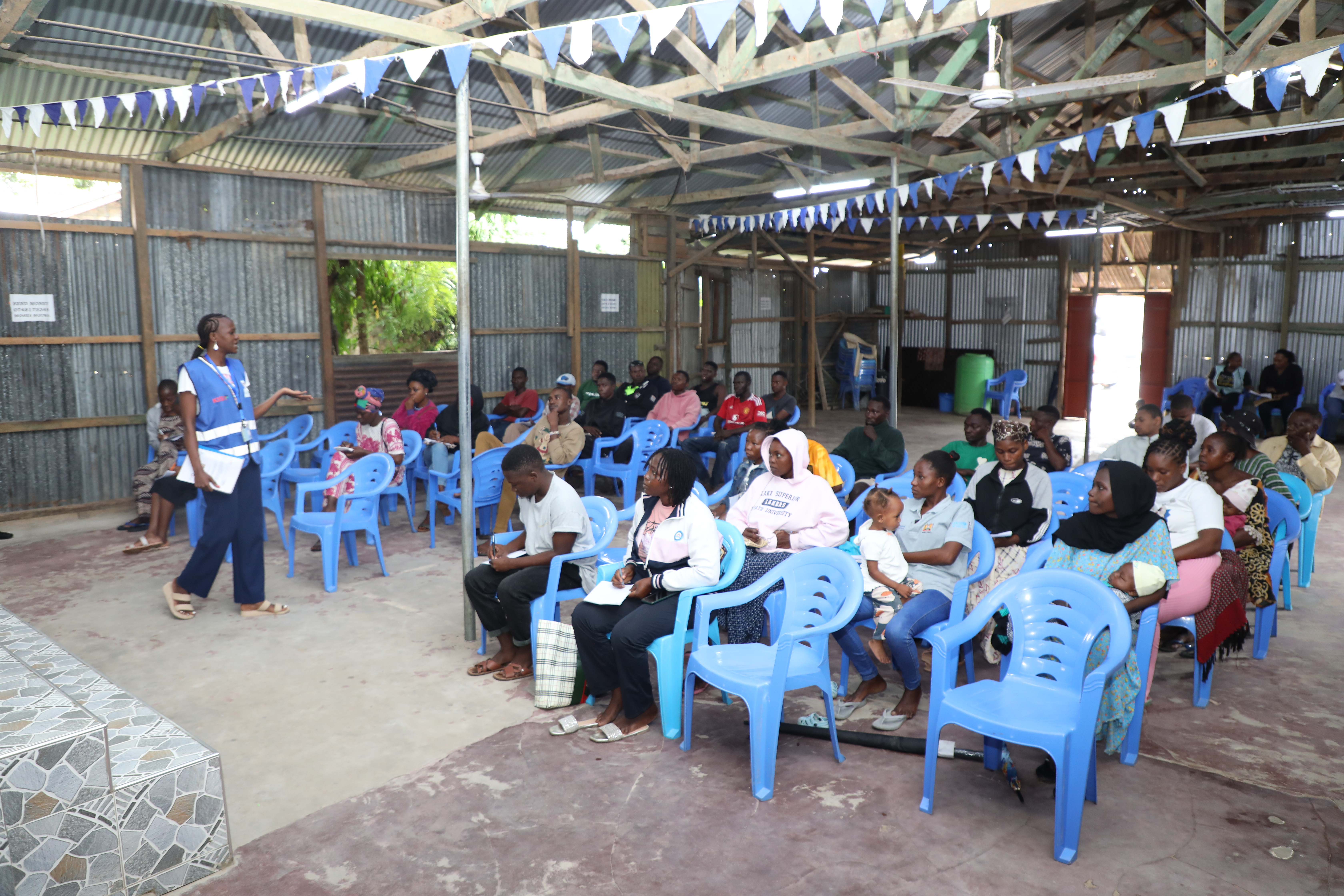
The collaboration between the Second Kenya Informal Settlements Improvement Project (KISIP2) and the National Youth Opportunities Towards Advancement (NYOTA) Project is transforming the lives of young people living in informal settlements across Kenya by creating pathways to skills development, empowerment, and economic inclusion.
Through Component 2 of the project, Socio-Economic Inclusion Planning, the Socio-Emotional Skills Training (SEST) programme seeks to equip vulnerable youth with critical socio-emotional competencies, employability skills, life skills, and pathways to employment or entrepreneurship. The initiative is currently being implemented across 23 counties, targeting 99 informal settlements nationwide.
To support programme implementation, documentation and enhance visibility, the KISIP2 Communications Team conducted spot-check and beneficiary documentation exercises between 3rd and 11th May 2026 across nine counties: Mombasa, Taita Taveta, Kilifi, Tharaka Nithi, Nakuru, Homa Bay, Kisumu, Trans Nzoia, and Elgeyo Marakwet.
The exercise focused on collecting beneficiary testimonials and documenting the programme’s impact on individuals, families, and communities. Across the counties visited, beneficiaries and community members expressed appreciation for the positive transformation brought about by the KISIP-NYOTA collaboration, particularly through the SEST programme.
Positive Behavioural and Mindset Change
In Mtaani Settlement, Kilifi County, parents praised the programme for the remarkable behavioural and mindset changes they had observed in their children since joining the training sessions.
Fina Fara noted that the programme had helped her son become more disciplined, responsible, confident, and focused. According to her, he has become more articulate and now makes informed life decisions, including starting a shoe business to supplement his income.
“Haya masomo yamemsaidia sana kijana wangu. Tangu aanze kuja darasa, nimeona mabadiliko mengi. Amekuwa mtoto mwenye bidii na mwenye heshima sana. Ile tabia ya kuwa idle na peer pressure yote amewacha na amewajibika. (Translates to: These classes have greatly impacted my son. Since he started attending, I have seen tremendous positive change. He has become hardworking, respectful, and responsible. He has moved away from peer pressure and is now focused on his personal growth.)”
These sentiments were echoed by community elders, including Ward Administrator Kenneth Rimba, who described the project as a game-changer that should be replicated across the country to promote positive youth engagement.
Mr. Rimba observed that many young people in the area had previously remained idle and vulnerable to negative influences such as drug and substance abuse. He commended the SEST programme for building confidence, transforming mindsets, and equipping youth with practical life skills needed to make productive decisions about their future.
Emotional Wellness and Self-Regulation
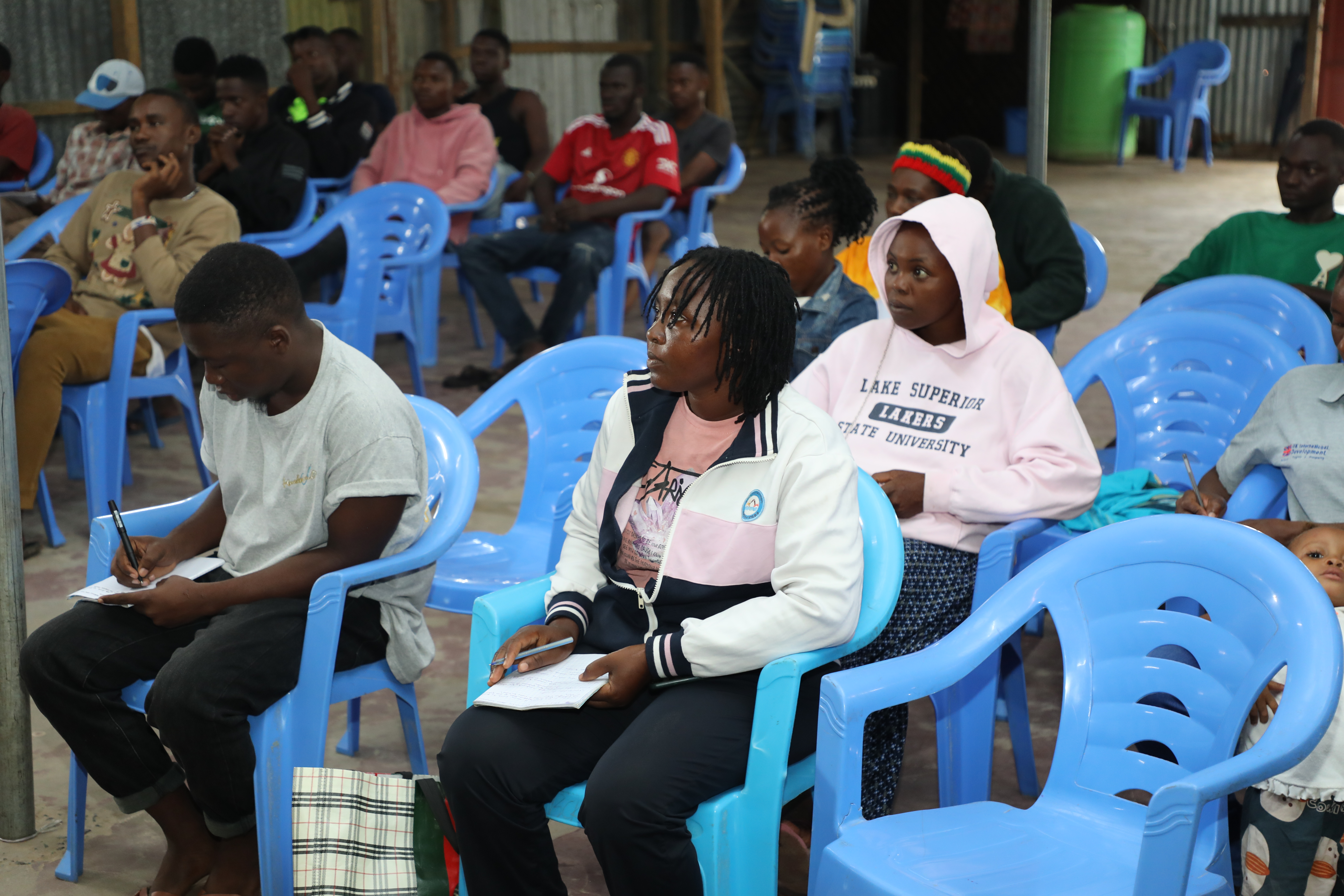
Radhia Nassoro, a beneficiary from Mombasa 203 Informal Settlement, shared how the programme helped her better understand and manage her emotions — a challenge she had struggled with since primary school.
She explained that she often found herself reacting impulsively whenever she was overwhelmed or stressed, negatively affecting her relationships with friends and family. However, through the SEST classes, she learnt how to regulate her emotions and manage stressful situations more constructively.
“I am a very emotional person. Once I am stressed, I react immediately and do anything to make myself feel better. Through these classes, I have learnt how to regulate my emotions and manage stressful situations better.”
Financial Discipline and Entrepreneurship
At Upper Kariokor Settlement, Juma Mwangangi Bahati proudly displayed his ATM card as a symbol of his personal growth and financial independence — achievements he attributes to the SEST programme.
Juma explained that the curriculum emphasized the importance of saving and financial discipline, lessons he immediately put into practice. Previously, he spent money impulsively on unnecessary items, believing there would always be more money in the future. Inspired by the training, he opened a savings account and has since developed a habit of saving regularly.
He now hopes to start his own business within the next few months.
“Mimi mambo ya savings sikujua kabisa. Nikipata pesa nilitumia yote kwa vitu visivyo muhimu. Tangu nianze kuja classes, nilifunzwa umuhimu wa savings na nikafungua account ya benki. Sasa nataka kusave ili nifungue biashara yangu hivi karibuni.”
Improved Customer Relations and Business Growth
Martin Murithi Giteru from Kathwana Settlement in Tharaka Nithi County also attributed the growth of his boda boda business to the SEST programme.
Martin explained that before joining the classes, he struggled with communication and customer relations and was often perceived as rude by clients. Through the programme, he gained valuable life skills and customer care techniques that have significantly improved how he interacts with customers.
As a result, his customer base has grown, and he now plans to expand his business by acquiring an additional motorcycle before the end of the year.
Broader Community Transformation
Beneficiaries from different parts of the country praised KISIP and its various interventions, noting that the programme has improved living conditions in informal settlements in multiple ways.
Residents highlighted that the interventions have not only transformed the physical environment within settlements but have also created opportunities for social and economic growth, especially among young people.
Improved infrastructure, expanded street lighting, and upgraded roads have enhanced accessibility and boosted security within communities. These developments have enabled young people to engage more freely in economic activities and earn sustainable livelihoods while helping curb drug and substance abuse among the youth.
A Second Chance for Youth
Taita Taveta County Youth Director George Biketi described the KISIP-NYOTA integration as a timely and impactful intervention for young people.
According to Mr. Biketi, many youth in the region had previously struggled with drug and substance abuse, unemployment, and poverty. He noted that the programme is restoring hope and giving young people a second chance at building productive futures.
“I have been here since the classes began, and I have witnessed tremendous behavioural change among these young people. In the beginning, many were rowdy and constantly dissatisfied. Today, they are more disciplined, focused, and open to mentorship. The transformation has been remarkable.”
He further encouraged young people to take advantage of such opportunities whenever they arise and urged the government to continue prioritizing youth empowerment initiatives in its development agenda.
About the KISIP2-NYOTA Collaboration
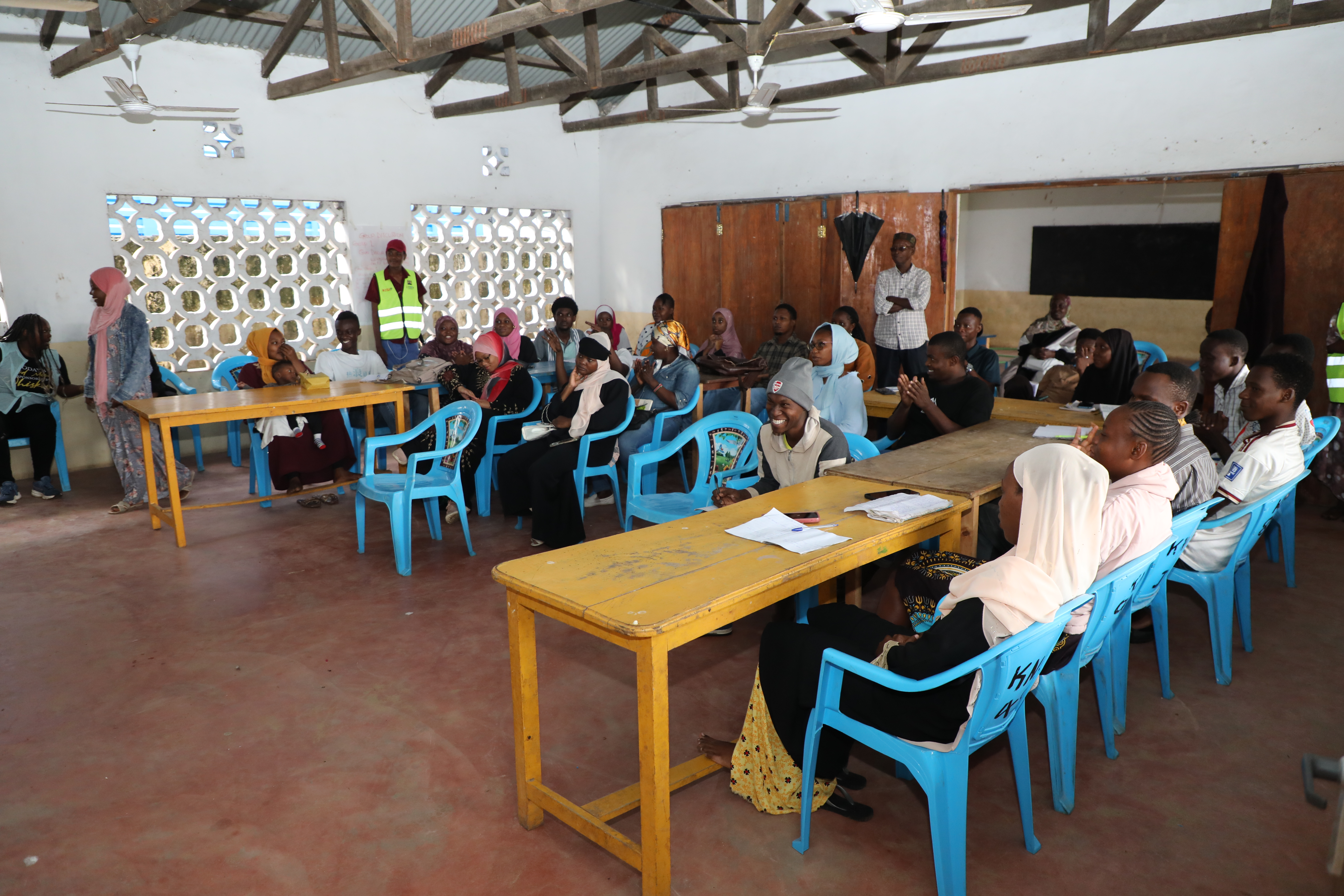
The collaboration between KISIP2 and the NYOTA Project under Second KISIP Socio-Economic Inclusion component seeks to empower vulnerable youth through socio-emotional learning, employability training, life skills development, and pathways to employment and entrepreneurship.
By integrating slum upgrading initiatives — including improved infrastructure, land tenure security, and access to services — with youth-focused economic opportunities, the programme is building resilient communities, reducing poverty, and creating brighter futures for thousands of young Kenyans.
KISIP2 Interventions
Component 1: Integrated Settlement Upgrading
Supports settlement upgrading through land tenure regularization and infrastructure development.
Component 2: Socio-Economic Inclusion Planning
Identifies socio-economic needs within selected settlements and links vulnerable populations to existing government and World Bank-supported social protection programmes, employment, and income-generating opportunities.
Component 3: Institutional Capacity Development for Slum Upgrading
Strengthens the capacity of county and national government institutions to implement sustainable slum upgrading and prevention initiatives.
Component 4: Programme Management and Coordination
Supports project management and coordination at both national and county government levels through the National Project Coordination Team (NPCT) and County Project Coordination Teams (CPCT).